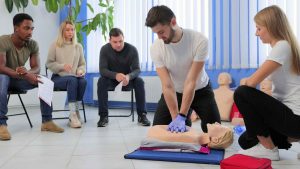

Every Canadian should hold a current first aid and CPR certificate for four evidence-based reasons: 80 percent of cardiac arrests happen at home where a family member is the only potential rescuer; WSIB Regulation 1101 and CSA Z1210:24 mandate certified first aiders in every Canadian workplace; urban EMS delays in high-rise buildings can exceed 10 minutes, making a trained bystander the only meaningful intervention; and formal training replaces the paralysing Bystander Effect with instinctive, protocol-driven confidence. Canadian Red Cross certification, valid for three years, is the legally recognized standard for all four of these needs.
Find a First Aid Course Near You
Canadian Red Cross certified courses for individuals, families, and organizations at 30+ locations across Canada.
80%
of out-of-hospital cardiac arrests happen at home, where a family member is the only bystander
75%+
survival rate increase when CPR and AED are used within the first 3 minutes of collapse
3 Years
validity of a Canadian Red Cross first aid and CPR certificate
Why Does Every Canadian Need First Aid and CPR Training?
Every year, thousands of Canadians experience high-stress medical emergencies in their private homes, corporate offices, local schools, and crowded public spaces. Critical events such as heart attacks, severe choking, anaphylaxis, drowning, and sudden cardiac arrest can happen to anyone, anywhere, at any time. In these intense moments, the physical actions taken within the first few minutes determine whether the person survives or suffers permanent neurological damage. First aid and CPR training also covers essential response to common injuries such as cuts, severe bleeding, and sprains that occur in everyday life. Enrolling in a comprehensive first aid course is the definitive way to prepare for all of these scenarios.
Despite the high stakes, a surprising number of Canadians remain untrained. Many assume that emergency response is solely the duty of professional paramedics, or that calling 911 is sufficient. However, in a country as geographically vast as Canada, transit delays are a reality. Without a certified CPR responder on the scene, the “Physiology of the Save” is compromised. First aid knowledge empowers individuals to respond effectively in emergencies and in daily life, helping to save lives and prevent minor incidents from escalating into life-threatening situations. Here are four powerful, science-backed reasons why every person should invest in 2026 Canadian Red Cross certification.
Reason 1: You Could Save the Life of a Family Member at Home
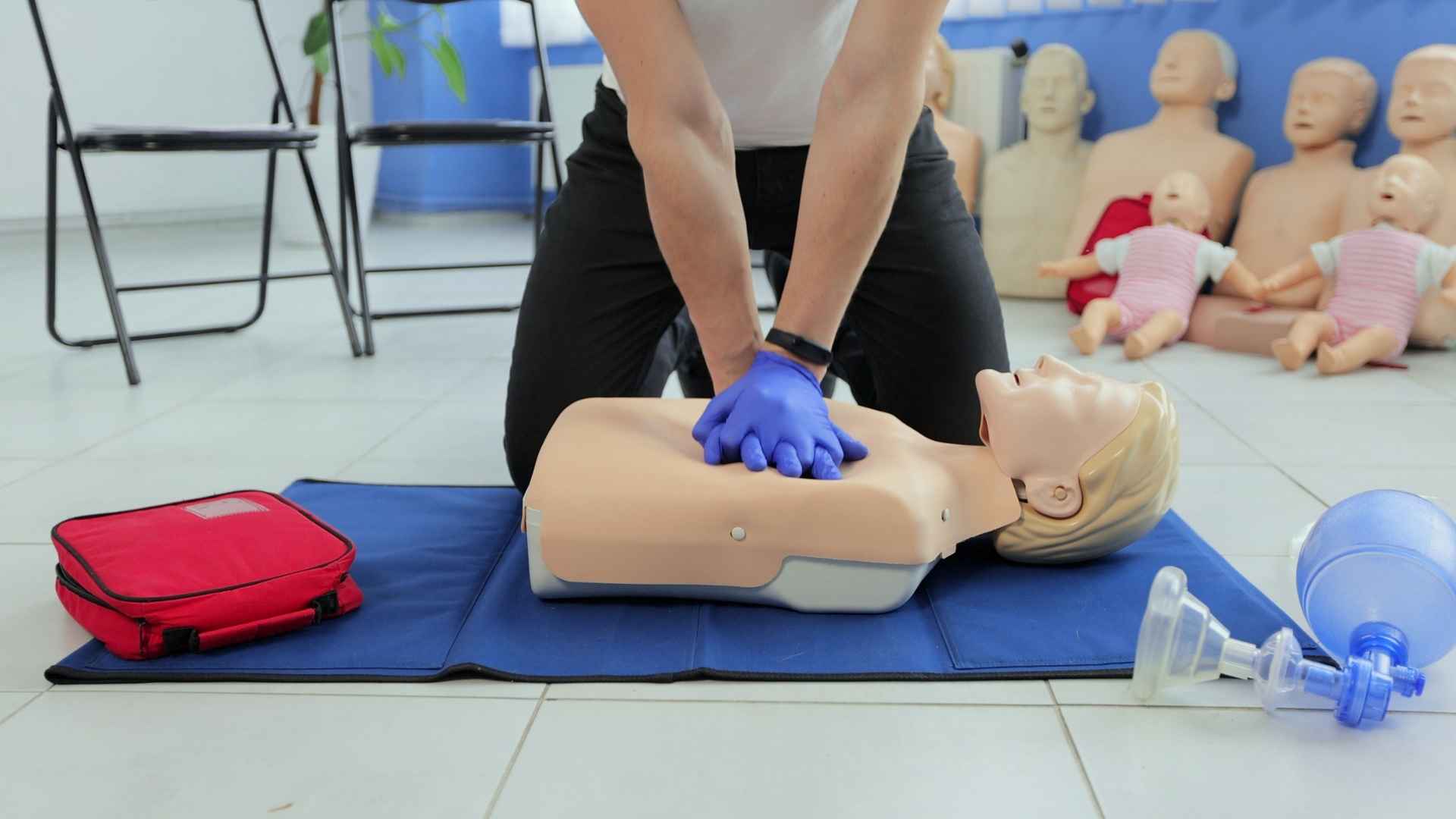
The most compelling motivator for training is the reality of where emergencies occur. Statistics from the Heart and Stroke Foundation of Canada confirm that approximately 80 percent of out-of-hospital cardiac arrests happen in private residences. The victim is most likely to be your spouse, your child, or your parent. When a loved one collapses, the human brain typically defaults to panic. Formal in-person training replaces that fear with instinctive muscle memory, so you act on protocol rather than emotion during the critical first minutes.
In Canada, approximately 35,000 cardiac arrests occur outside of hospital each year, and immediate bystander CPR can double or even triple the chance of survival. Modern training emphasizes High-Performance CPR, which focuses on maintaining a high Chest Compression Fraction (CCF). CCF is the percentage of time during a rescue spent actively pumping the chest to keep blood flowing to the brain. By learning to minimize pauses for AED application or rescue breaths using barrier devices, you maintain the hemodynamic pressure required to keep the brain oxygenated until help arrives.
Reason 2: Workplace Compliance Is a Legal Requirement Under WSIB and CSA Standards
Across all Canadian provinces, occupational health and safety legislation mandates that employers maintain a minimum ratio of certified first aiders. In Ontario, WSIB Regulation 1101 requires businesses to have at least one trained responder on every shift. Under the updated CSA Z1210:24 national standards, certifications are categorized by workplace size and hazard level across Basic, Intermediate, and Advanced classifications. Many organizations also train employees to address the specific safety hazards unique to their work environment, reducing both accidents and liability.
For employees, holding an unexpired certificate is a significant career asset. Whether you are a security guard, a construction foreman, or a daycare worker, “Canadian Red Cross Certified” on your resume signals responsibility and composure under pressure to hiring managers. Employees who are trained gain measurable confidence and are better prepared to prevent minor incidents from escalating. Furthermore, companies that invest in staff training significantly reduce corporate liability and often qualify for lower commercial insurance premiums.
Watch: How to Perform High-Quality CPR
Reason 3: Urban EMS Delays Make a Trained Bystander the Only Immediate Option
In major Canadian cities, professional emergency medical services face unique urban challenges. Extreme traffic congestion on major arterial roads can delay ambulances by critical minutes. Additionally, the prevalence of high-rise condominiums creates a “Vertical Response Delay.” Navigating security desks and waiting for elevators to reach a patient on an upper floor can add several minutes to the response time before a paramedic reaches the victim’s side.
This is where your training becomes the definitive factor. A certified responder who can utilize an Automated External Defibrillator (AED) within the first 3 minutes of a collapse increases survival rates by over 75 percent. Our courses teach you how to manage a scene, work through the “Platinum Minutes,” and coordinate with dispatchers to ensure the patient receives a seamless handoff of care once paramedics arrive. In the high-rise scenario, you are not just a bystander; you are the entire chain of survival until that elevator door opens.
Reason 4: Training Overcomes the Bystander Effect and Builds Psychological Readiness
One of the most profound benefits of a practical skills assessment is the mental resilience it builds. Untrained individuals often experience the “Bystander Effect,” a psychological phenomenon where they freeze and assume someone else will step in. This hesitation is typically rooted in the fear of doing something wrong or concerns about legal liability. Training removes both barriers by providing a clear, repeatedly practiced protocol and an understanding of the legal protections available to responders.
You will learn about the Good Samaritan Act, provincial legislation that legally protects individuals who provide emergency assistance in good faith and within the scope of their training. You will also practice using barrier devices such as one-way pocket masks to deliver rescue breaths safely without the risk of infectious disease transmission. This hands-on confidence transforms you from a panicked spectator into a capable, clinical leader who can direct others, call 911, and perform the physical work of saving a life.
Which Canadians Are Required to Hold First Aid and CPR Certification?
Maintaining an unexpired Canadian Red Cross certificate is a mandatory professional requirement for a wide range of high-stakes industries. Many careers have strict certification prerequisites to ensure public safety:
- Security Guards and Loss Prevention: Must hold Intermediate / Standard First Aid to legally maintain their provincial licences and handle crowd-related trauma and medical events.
- Childcare Staff and Early Childhood Educators: Legally required to hold CPR Level C to manage pediatric anaphylaxis, infant choking, and cardiac emergencies involving children.
- Construction and Industrial Workers: High-risk sites demand leaders trained in severe bleeding control, tourniquet application, and oxygen administration in remote or rugged conditions.
- Healthcare Providers: Nurses and dental staff require Basic Life Support (BLS) to master team-based resuscitation and advanced clinical response.
- Hospitality and Event Staff: Often the first responders at cardiac events in restaurants, hotels, and large convention centres where dense crowds and limited EMS access create significant risk.
How Does First Aid Certification Accelerate Your Career in Canada?
Adding a valid first aid credential to your resume is one of the fastest ways to increase your employability. In 2026, recruiters view safety certification as a marker of a well-rounded, reliable candidate. If two candidates have identical experience, the one who has already passed their written examination and practical skills test will almost always be selected, saving the employer onboarding time and training costs. This advantage is particularly strong for roles in property management, logistics, and human resources, where demonstrated composure under pressure is a differentiating quality.
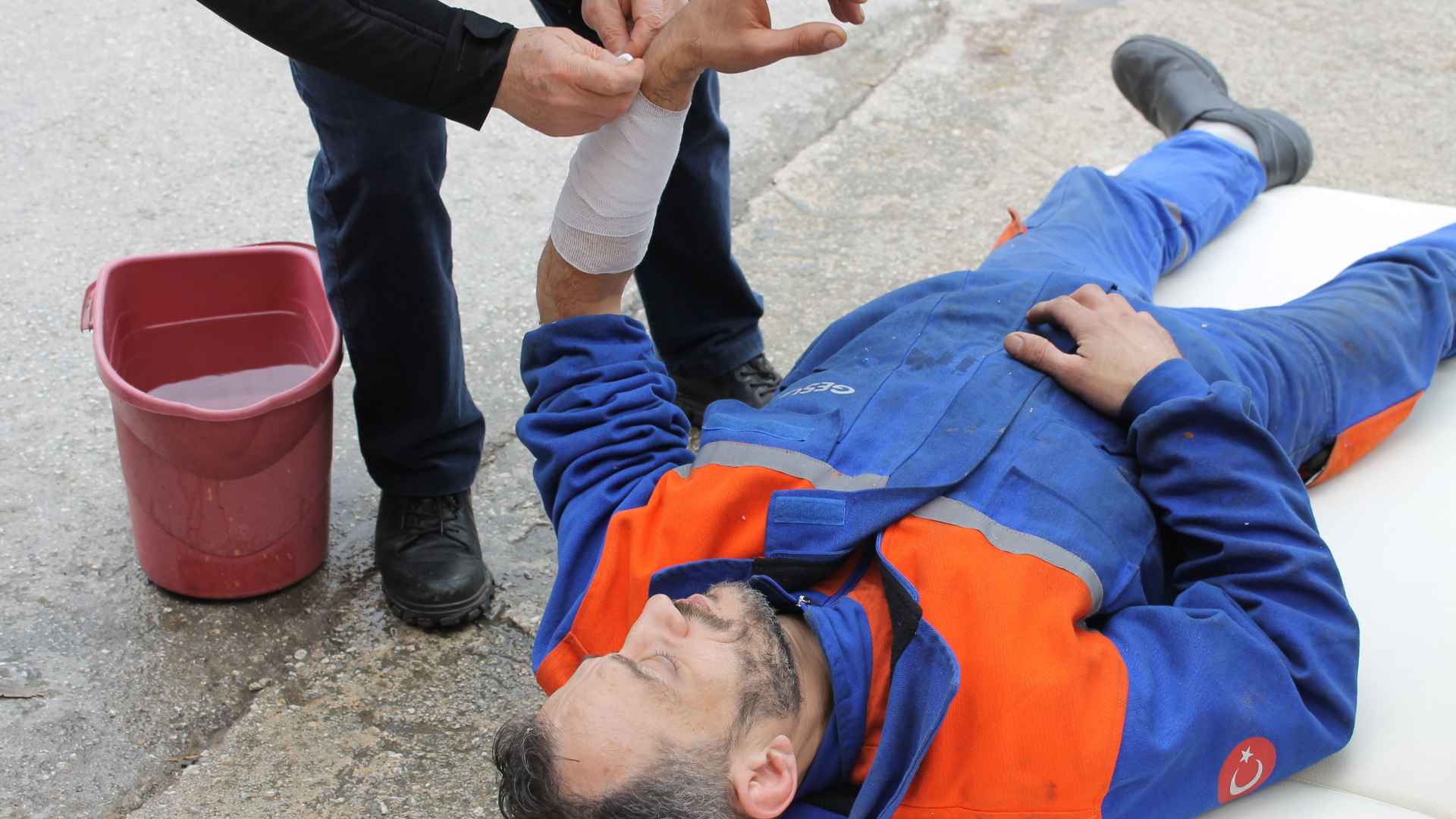
Get Your CPR and AED Certification Today
Hands-on CPR and AED training with Canadian Red Cross certified instructors for individuals and groups.
What Flexible Learning Formats Are Available for Busy Canadians?
Coast2Coast understands that Canadians lead demanding lives. To make certification accessible, we offer a popular blended online learning format. This hybrid model allows you to complete the medical theory at your own pace. Once finished, you attend a condensed in-person session focused entirely on your hands-on practical skills assessment. Hands-on training and skill demonstration are essential components of any first aid program; the physical confidence to perform compressions, manage an airway, and deploy an AED cannot be built through theory alone. This format satisfies WSIB compliance requirements without requiring two full classroom days.
If your current certificate is approaching its expiry date, our streamlined recertification courses offer a focused review of the latest 2026 protocols, ensuring you remain legally compliant and clinically ready without retaking the full program. For organizations, private group training sessions bring a certified instructor and all equipment directly to your facility, making team-wide recertification practical and cost-effective.
Train Your Whole Team Together
Private group first aid and CPR sessions at your workplace or home for teams and families of any size.
Key Takeaway
The four reasons to get first aid and CPR certified converge on a single truth: in a medical emergency, the most important person in the room is the one who is trained. With 80 percent of cardiac arrests happening at home, EMS delays in high-rise buildings, mandatory workplace compliance under WSIB Regulation 1101, and the Bystander Effect freezing untrained witnesses, there is no scenario in which certification is optional for a responsible Canadian adult. A Canadian Red Cross certificate is a three-year investment in your family’s safety, your professional standing, and your community’s resilience.
Get Intermediate / Standard First Aid and CPR Certified Today
Two-day Canadian Red Cross Intermediate / Standard First Aid satisfying CSA Z1210:24 and WSIB requirements across Canada.
Frequently Asked Questions: First Aid and CPR Training in Canada 2026
More FAQs: Barrier Devices, Course Levels, Healthcare Providers, Insurance, and the Good Samaritan Act
Sources and Further Reading
- Heart and Stroke Foundation of Canada: Out-of-Hospital Cardiac Arrest Statistics (2024)
- CSA Group: CAN/CSA-Z1210:24 First Aid in the Workplace (National Standard of Canada)
- WSIB Ontario: Regulation 1101, First Aid Requirements (O. Reg. 1101)
- Canadian Red Cross: Intermediate / Standard First Aid and CPR Course Guidelines, 2025 Curriculum Edition